BUILD A SAAS THAT SCALES PAST ITS FIRST HUNDRED CUSTOMERS
SaaS Development From First Tenant to Enterprise Readiness
Techparser builds multi-tenant SaaS platforms with the parts founders usually defer until they hurt: tenancy isolation, billing, roles and permissions, onboarding, and usage analytics designed in from the start rather than retrofitted.
THE DECISIONS THAT DECIDE WHETHER A SAAS SCALES
Four choices that are expensive to reverse later
Tenancy model, permission model, billing model, and data model are all cheap to get right in month one and painful to change in year two. Techparser makes these decisions explicitly at the start, against your actual go-to-market, rather than defaulting to whatever is fastest to code.
A SaaS built this way gives you:
Tenant isolation that holds up under enterprise security review
Billing that supports plan changes, trials, and usage pricing
Permissions granular enough for enterprise buyers
Usage data good enough to drive pricing and retention decisions
HOW WE BUILD A SAAS PLATFORM
Architecture decisions first, then build in increments
A first sellable version typically reaches production in 10 to 16 weeks.




Weeks 1–2 — Model & Architecture
Tenancy, permissions, billing, and data model decided against your actual pricing and go-to-market, then documented so the decisions survive team changes.

Weeks 3–5 — Platform Foundations
Authentication, tenant provisioning, role-based access control, and the admin layer your own team will run the business on.

Weeks 6–14 — Product & Billing
Core product features, subscription billing, onboarding flows, and usage analytics, delivered in weekly increments with a working demo each week.
Launch & Scale
Production deployment with monitoring, alerting, and the operational runbooks your team needs to support paying customers.
OUR SUCCESS STORIES
Success Stories That Prove Our Expertise
Techparser has helped build and support digital products across AI, SaaS, healthcare, mobile apps, e-commerce, beauty, wellness, real estate, automation, dashboards, and business platforms. Our work combines software engineering, product design, cloud architecture, AI integration, and growth execution to help businesses launch, modernize, and scale.



SaaS Development: Insights & Answers
SaaS development is building software that customers use through a browser on a subscription, hosted and operated by the vendor rather than installed on each customer's servers. It covers multi-tenant architecture, authentication and roles, subscription billing, onboarding, usage analytics and the cloud infrastructure that runs it. Techparser builds SaaS products end to end and hands over the code and cloud accounts.
SaaS development cost is driven by the number of user roles, integrations, billing complexity, compliance needs and design polish. Published 2025–2026 agency estimates typically place a first sellable SaaS version between $40,000 and $150,000, with enterprise features such as SSO and audit logging adding to that. Hosting and third-party fees are separate. Techparser fixes scope and budget before build and quotes after a call.
A first sellable version typically takes 10 to 16 weeks, covering multi-tenant architecture, authentication, roles, core features, subscription billing and onboarding. Enterprise features such as SSO and audit logging are usually added after the first paying customers unless your go-to-market starts upmarket. Techparser ships a usable release every few weeks rather than one delivery at the end.
The core product is usually straightforward; the hard parts are multi-tenancy, billing edge cases, security review and running the service reliably for years. Those are the areas where first-time SaaS builds go wrong and where retrofits cost the most. Working with a team that has already shipped and operated multi-tenant products removes most of that risk, which is the reason to hire one.
Multi-tenancy means one deployment serves many customer organisations with each customer's data isolated. It determines hosting cost per customer, how per-customer configuration works, and whether you can pass an enterprise security review. The isolation model, shared schema, schema per tenant or database per tenant, is chosen per product. Retrofitting multi-tenancy onto a single-tenant product is one of the most expensive changes a SaaS can make.
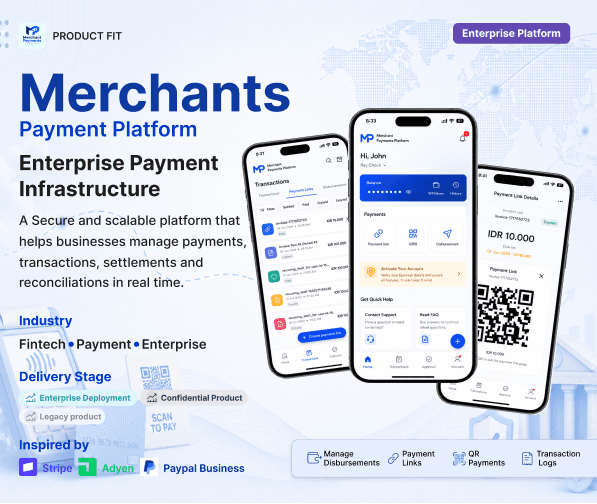
Use a provider such as Stripe for payment processing and subscription state. Build custom logic only for the parts specific to your pricing: usage metering, entitlement checks and plan-change rules. Building payment infrastructure from scratch adds PCI compliance burden with no product advantage, and providers already handle failed payments, tax and invoicing for you.
Yes. Techparser audits the codebase and data model, then plans an incremental path to multi-tenancy and subscription billing that avoids a big-bang cutover where the architecture allows. Where a rewrite is genuinely cheaper, we say so rather than billing for a migration that will not hold. The audit is a fixed standalone engagement with a report you keep either way.
You do. Source code, infrastructure configuration and documentation transfer to you, along with cloud account and repository ownership, so your team or any other vendor can continue the work. Techparser signs an NDA on request before scoping. Engagement models are fixed scope, dedicated team, staff augmentation or takeover of an existing SaaS platform.
Proof and further reading
Products we shipped with this capability, and the guides we wrote from doing it.
Guide · MVP Development
How Much Does MVP Development Cost in 2026? A Scoping Guide
MVP development cost in 2026 explained: the 4 drivers, effort tables in weeks, scope tiers vs timeline, how AI features change the model, and answers to common questions.
Read the guideGuide · SaaS Development
How to Build a SaaS in 2026: Architecture, Billing and Tenancy
How to build a SaaS in 2026: 3 tenancy models compared, Stripe vs Paddle vs RevenueCat billing, RBAC, usage metering, and a 12 to 16 week MVP timeline.
Read the guide

Discover Techparser
Hire Engineers

US Office
1111b South Governors Avenue
Dover, DE 19904, United States

Delivery Centre
Building No. 3, Block J-1, Sunflower Society
Johar Town, Lahore, Pakistan
© 2026 Techparser. All rights reserved.